
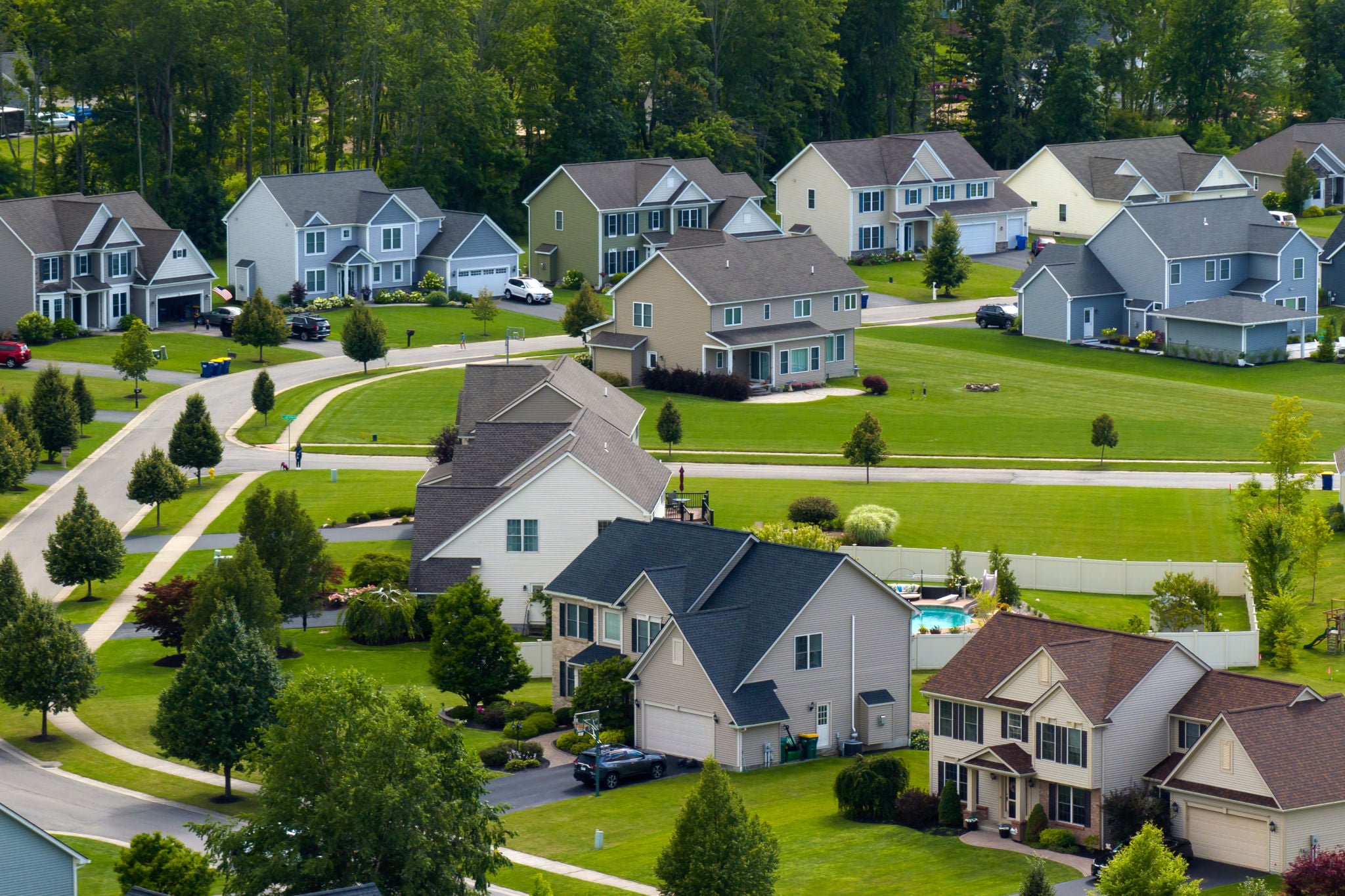
Choosing the right neighborhood in Western New York comes down to a simple question. How do you actually want to live? Buffalo has an average Walk Score of 67, with pockets that range from true walker's paradise to fully car dependent suburbia. The region offers everything from Victorian era urban blocks in Allentown to quiet cul de sacs in Clarence and waterfront villages like Hamburg. The trick is not finding the best neighborhood. It is finding the one that fits your daily rhythm.
Here is how to choose the right neighborhood for your lifestyle in Western New York.
Key Takeaways
- Buffalo's average commute time is just 20 minutes, the second shortest among the country's 52 largest cities.
- Erie County has 28 rated public-school districts, with Williamsville Central and Clarence Central leading the pack.
- Walk Scores vary dramatically, from Allentown's walker's paradise to car dependent suburbs scoring in the 20s and 30s.
- Home prices span a wide range, with South Buffalo entry points around $123,750 and Williamsville averaging over $400,000.
- About 65 percent of Buffalo homes were built before 1930, so expect character and an older furnace.
- The region is known for its affordability, with home prices well below national averages.
Define Your Non-Negotiables Before You Look at Listings
Before you look at a single listing, figure out what matters most. Do you want to walk to coffee? Need a big yard? Want a short commute? Care about school district ratings? Prefer a historic home with character or a newer build with updated systems?
Western New York's neighborhoods are genuinely diverse, each with its own character, pace, and perks. A family with young kids might prioritize Williamsville's top rated school district. A young professional might want Allentown's walkable nightlife. A retiree might prefer Clarence's quiet space.
Understand the Walkability Spectrum in Western New York
Walkability in Buffalo varies more than most people expect. The city's overall score is 67, which is somewhat walkable, but individual neighborhoods range from walker's paradise to car dependent.
Allentown is Buffalo's most walkable neighborhood, with restaurants, galleries, and nightlife all within a short stroll. You can genuinely live here without a car. Elmwood Village scores 91 and offers a vibrant mix of shops, restaurants, and cultural venues along Elmwood Avenue. Williamsville's village center scores in the 80s, with brick sidewalks and a historic Main Street. North Buffalo and Hertel Avenue score around 65, so you can walk to groceries, restaurants, and the North Park Theatre, but you will still want a car for some errands.
Most of Amherst, Clarence, and the outer suburbs require a car for daily life. That is not a downside. It is a tradeoff. You get more space, quieter streets, and often better school districts.
Weigh the School District Question Carefully
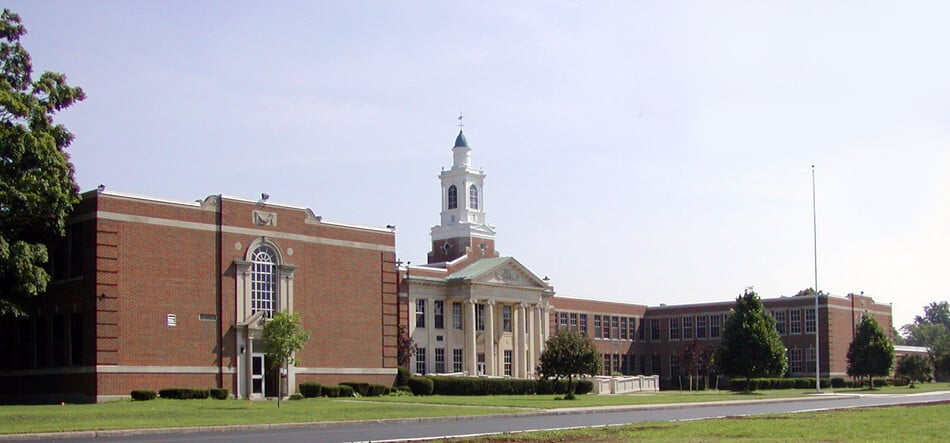
For families, school quality is often the deciding factor. Erie County has 28 rated public-school districts, and the top performers are clear.
Williamsville Central ranks number one with a 10 out of 10 rating and a 95th percentile ranking in the state. Clarence Central ranks second with a 10 out of 10 rating and 90th percentile. Akron Central, Orchard Park Central, East Aurora Union Free, and Amherst Central round out the top six.
Williamsville Central serves over 9,700 students across 13 schools and earns an A+ overall grade from Niche. Clarence Central has a 94 percent graduation rate and an 11 to 1 student teacher ratio.
But school ratings are not everything. Some families prefer smaller districts, charter schools, or private options. And if you do not have kids, school districts matter less for your daily life, though they still affect property values and resale potential.
Run the Numbers on Price and Commute
Home prices in Western New York vary widely by neighborhood. Elmwood Village median prices range from $235,000 to $448,599 depending on the source, with entry points around $176,250. North Buffalo ranges from $242,000 to $350,000 with entry points around $157,500. South Buffalo has a median around $165,000 with entry points near $123,750. Allentown has a median around $185,000 with entry points near $138,750. Williamsville averages $429,176, and Amherst sits around $375,000.
Commute times matter too. Buffalo is famously a twenty minute city. You can get from downtown to most suburbs in under 30 minutes, even during rush hour. That means a home in Lancaster or Hamburg does not feel far from downtown.
Think About Your Daily Life Not Just the House
This is the part that gets overlooked. You are not just buying a house. You are buying a routine. Where will you buy groceries? How long is your commute? Is there a park nearby for the dog? Can you walk to a coffee shop on Saturday morning?
For young professionals, Elmwood Village and Allentown offer walkable nightlife, independent shops, and a vibrant social scene. North Buffalo's Hertel Avenue is another strong option, with new restaurants and apartment buildings driving real demand.
For families, Williamsville and Clarence offer top rated schools and quiet streets. Amherst combines good schools with parks, the University at Buffalo, and easy access to the city. East Aurora offers historic charm with an excellent community feel.
For retirees, Kenmore has been named one of the top ten great neighborhoods by the American Planning Association. Grand Island offers waterfront living with a slower pace.
For investors, South Buffalo, Black Rock Riverside, and the West Side offer entry points and rental demand.
Visit at Different Times of Day Before You Decide
This is the advice every local agent gives. Drive through the neighborhood on a Tuesday morning. Walk it on a Saturday evening. Check out the grocery store. Sit in a coffee shop and listen to what people are talking about. You will learn more in an hour of observation than in any spreadsheet.
The Trade Offs Nobody Talks About
Every neighborhood involves tradeoffs. Elmwood Village is walkable but pricey, and many homes are older with maintenance needs. Williamsville has great schools but a longer commute and higher prices. South Buffalo is affordable but less walkable. Amherst offers space and convenience but is car dependent.
The right neighborhood is not the one with the best stats. It is the one whose tradeoffs you can live with.
FAQ
Q: What is the most walkable neighborhood in Buffalo?
A: Allentown is Buffalo's most walkable neighborhood with a Walk Score in the walker's paradise range. Elmwood Village follows closely with a Walk Score of 91. Both offer restaurants, shops, and cultural venues within walking distance.
Q: What is the best neighborhood for families in Western New York?
A: Williamsville and Clarence consistently rank as the best places to raise a family in the Buffalo area, thanks to their top-rated school districts and safe, quiet streets. Amherst is another strong option with excellent parks and a convenient location.
Q: How much does it cost to buy a home in different Buffalo neighborhoods?
A: Prices vary widely. South Buffalo entry points start around $123,750. North Buffalo entry points are around $157,500. Elmwood Village entry points are around $176,250. Williamsville averages over $400,000, and Amherst is around $375,000.
Q: Is it better to live in the city or the suburbs?
A: It depends on what you value. The city offers walkability, historic character, and vibrant social scenes. The suburbs offer more space, top rated schools, and quieter streets. Whether you are dreaming of a lakeside home or a walkable neighborhood near downtown Buffalo, Western New York has it all.
Q: How long is the commute from the suburbs to downtown Buffalo?
A: Buffalo is known as the twenty minute city. Most suburbs are within a 20 to 30 minute drive of downtown, even during rush hour.
Q: What should I look for when visiting a neighborhood?
A: Visit at different times of day. Walk the streets on a weekday evening and a weekend morning. Check out the local grocery store, coffee shop, and park. Talk to people. The daily rhythm of a neighborhood tells you more than any statistic.
Q: Are there affordable neighborhoods in Western New York?
A: Yes. South Buffalo, Black Rock Riverside, and parts of Cheektowaga and Tonawanda offer affordable entry points. Lancaster, West Seneca, and Tonawanda are recommended for first time buyers with strong value.
Q: Is Buffalo a good place to live without a car?
A: Only in certain neighborhoods. Allentown and downtown Buffalo are genuinely walkable, and the Metro Rail runs free above ground up Main Street. Outside those areas, a car is essential.
Check out this article next