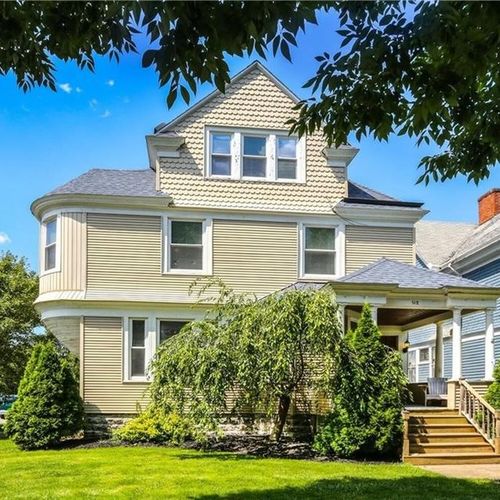
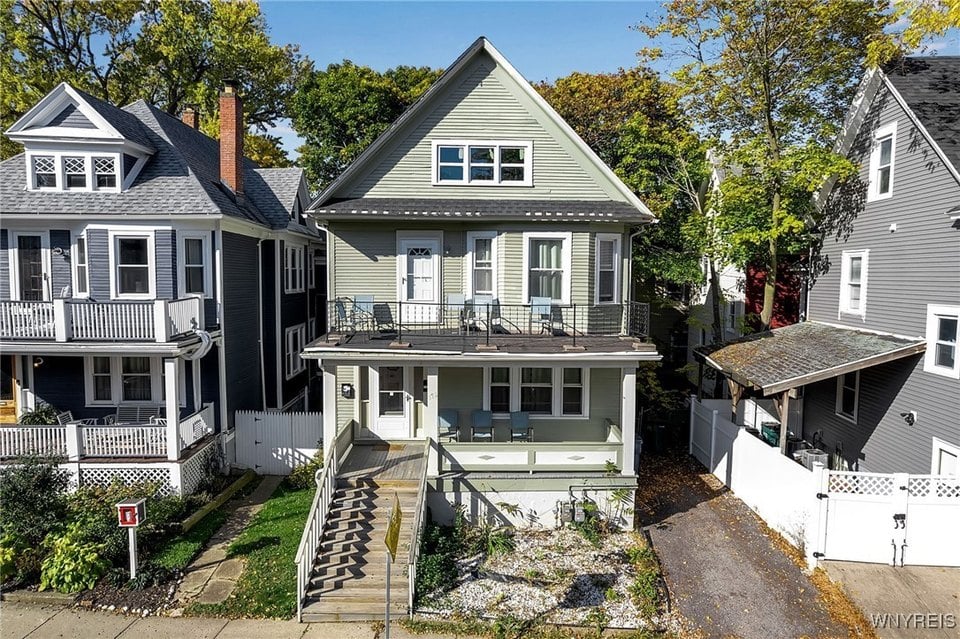
For investors looking for cash flow and affordability, Buffalo's multi-family market is one of the most compelling in the Northeast. With strong rental demand, attractive returns, and entry points that are still reasonable compared to national averages, these properties offer a proven path to building wealth in Western New York. Whether you are considering a duplex in South Buffalo or a larger building on the West Side, the fundamentals here are worth a serious look.
Here is what you need to know about investing in multi-family properties in Buffalo.
Key Takeaways
- The median price for a multi-family property in Buffalo is around $270,000, with a median price per unit of $123,810, significantly lower than the national median of $211,250.
- Cap rates for multi-family properties currently average about 7.88 percent, with value-add properties often delivering 6 to 8 percent or more.
- Asking rents in Buffalo have increased by 3.9 percent year over year as of late 2026, reflecting strong and growing rental demand.
- Erie County's property tax rate is $3.09 per thousand of assessed value, the lowest in the region and a 39 percent decrease since 2012.
- North Buffalo, South Buffalo, and the West Side each offer distinct advantages for multi-family investors.
- Duplexes are often the most popular starting point for first time investors, especially for those looking to house hack.
Why Buffalo The Investor's Case
The math behind multi-family investing in Buffalo is strong for several reasons. The city consistently offers some of the highest cash flow potential in the region. Cap rates for multi-family properties are currently around 7.88 percent. For value-add properties that need some work, investors can often find deals with 6 to 8 percent cap rates, with some opportunities projected to hit 10 percent or more.
The rental market is healthy and growing, with asking rents increasing by 3.9 percent year over year as of late 2026. This demand is fueled by a growing population and major local employers like the Buffalo Niagara Medical Campus, the Tesla Gigafactory, and the University at Buffalo.
Compared to national averages, the barrier to entry is relatively low. The median price for a multi-family property is around $270,000, and the median price per unit is $123,810, significantly lower than the national median of $211,250. This allows investors to acquire properties and build portfolios more quickly.
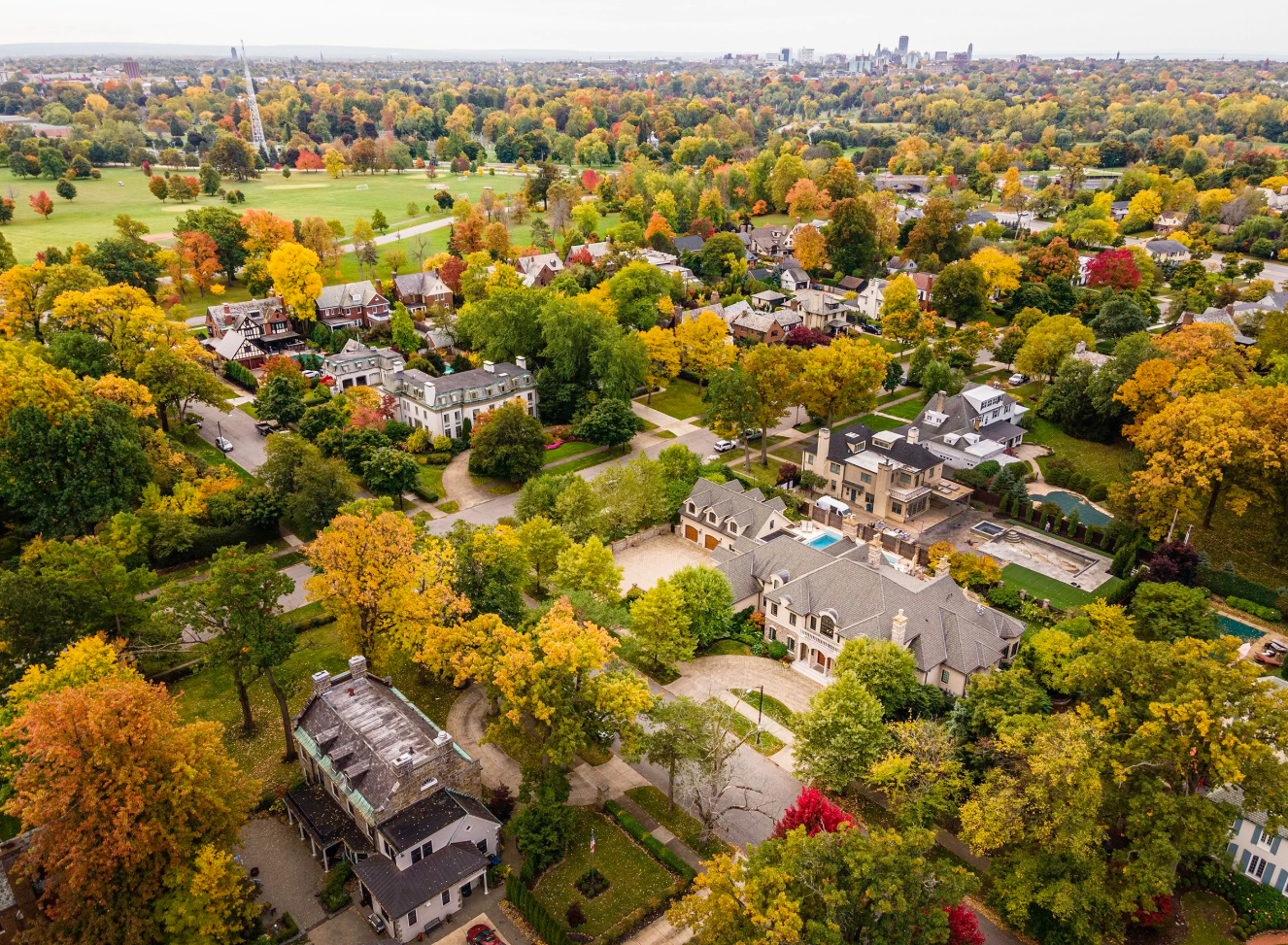
Where to Invest: A Neighborhood Guide
Different neighborhoods in Buffalo offer distinct advantages for multi-family investors.
North Buffalo is known as the steady cash flow belt. This area offers reliable rental income from a stable tenant base of families and working professionals. Properties here often meet the 1 percent rule, meaning monthly rent is roughly 1 percent of the purchase price.
South Buffalo is a resilient pocket prized for its affordability, rental stability, and gradual appreciation. It is a great place to find value-add duplexes.
West Side and ZIP code 14213 is a highly desirable area for its strong rental market. Investors can find well-maintained multi-unit properties with solid cash flow.
Elmwood Village and Allentown are the headline neighborhoods, known for their high walkability, historic charm, and strong appreciation potential. While entry prices are higher, rents are also strong, and properties attract long-term, professional tenants.
Black Rock Riverside provides a more affordable entry point for investors looking to get started in multi-family investing.
How to Get Started: Strategies for Success
Know Your Numbers. The 1 percent rule, which suggests monthly rent should be at least 1 percent of the purchase price, is a good initial screen. A more precise measure is the cap rate, which is the net operating income divided by the property's purchase price.
Explore Financing Options. Securing financing is a critical step. DSCR loans, or Debt Service Coverage Ratio loans, are a popular option for investors because they base approval on the property's income rather than your personal income. For small multi-family properties, investors often achieve a 1.20 DSCR with a 70 to 75 percent loan-to-value ratio. You can also explore traditional bank financing, private lending, or seller financing.
Build Your Team. Connect with a local real estate agent who specializes in investment properties, a knowledgeable lender, and a reputable property inspector.
Find the Right Property. Start your search with a clear buy box, a written set of criteria covering location, property type, price range, and target returns.
The Fine Print Taxes and Other Considerations
Property Taxes. Erie County has a low county property tax rate of $3.09 per thousand of assessed value. However, it is important to remember that this is just one component. Total property taxes also include city, school, and other local levies, so the effective rate is higher and varies by municipality.
Vacancy Rates. While the rental market is strong, vacancy rates can vary. The metro area has a vacancy rate around 6.20 percent. A 5 to 10 percent vacancy allowance is a prudent part of any investment pro forma.
FAQ
Q: Is a duplex or triplex better for a first-time investor?
A: A duplex is often the most popular starting point, as it allows you to house hack, live in one unit and rent the other, which significantly reduces your own living expenses and lowers your risk.
Q: What is the 1 percent rule and does it work in Buffalo?
A: The 1 percent rule suggests a property's monthly rent should be at least 1 percent of its purchase price. It is a useful screening tool, and it is often achievable in cash-flow-focused neighborhoods like North Buffalo.
Q: What are the biggest risks of investing in multi-family properties?
A: Risks include unexpected maintenance and repair costs, especially in older buildings, periods of vacancy, difficult tenants, and rising property taxes or insurance. Thorough due diligence and building a contingency fund into your budget are essential.
Q: How do I finance a multi-family property?
A: Financing options include conventional loans, FHA loans for owner-occupied properties, and DSCR loans, which qualify based on the property's income.
Q: What is a good cap rate for Buffalo?
A: The average multi-family cap rate is currently about 7.88 percent. For value-add properties, investors typically look for 6 to 8 percent or more to account for renovation risk and effort.
Q: Are property taxes high in Buffalo?
A: The county portion is low at $3.09 per thousand of assessed value, but total rates including city and school taxes can range from about 2.5 to 4.0 percent of a property's market value.
Check out this article next