Some neighborhoods rise because of a moment. Others endure because they consistently deliver what buyers want, regardless of market conditions. Allentown firmly belongs in the second category.
Year after year, Allentown remains one of the most desirable neighborhoods in Buffalo, and 2026 is no exception. While buyer preferences have shifted toward walkability, central location, and long-term value, Allentown has quietly offered those advantages for decades. Its proximity to downtown Buffalo, historic housing stock, lower taxes, and everyday livability continue to draw buyers from all backgrounds.
Rather than chasing trends, Allentown benefits from fundamentals. It’s a neighborhood where people can live, work, and socialize without relying heavily on a car. It feels urban without being overwhelming, historic without feeling outdated, and central without losing its residential identity.
For buyers who want character, convenience, and consistency, Allentown continues to check boxes that many other neighborhoods simply cannot.
Key Takeaways
Allentown attracts buyers year after year due to walkability, charm, and central location
Proximity to downtown Buffalo and Elmwood Village fuels ongoing demand
Historic homes and lower property taxes appeal to value-driven buyers
Restaurants, coffee shops, and local businesses support everyday livability
Limited overdevelopment helps protect long-term home values
A Neighborhood That Works for Nearly Every Type of Buyer
One of the biggest reasons Allentown continues to attract buyers in 2026 is its broad appeal. This is not a neighborhood designed for a single demographic. Instead, it offers flexibility that works for many different lifestyles and stages of life.
First-time buyers are often drawn to Allentown because it provides access to the city without the price tags or tax burdens found in some nearby areas. Condos, smaller historic homes, and multi-unit properties offer attainable entry points while still providing long-term upside.
Professionals working downtown value the short commute and the ability to separate work from home life without sacrificing convenience. Being close to offices, courts, and medical facilities while living in a true neighborhood environment is a major draw.
Buyers relocating from outside the area often gravitate toward Allentown because it feels authentic. The architecture, block layout, and local culture feel familiar to those coming from larger cities, but with noticeably lower overall costs. For many, Allentown feels like a natural fit rather than a compromise.
Investors and long-term buyers also see stability here. Demand remains consistent because walkability, location, and character don’t fluctuate with market cycles. These fundamentals keep Allentown relevant regardless of broader economic conditions.
Historic Homes, Lower Taxes, and Long-Term Value
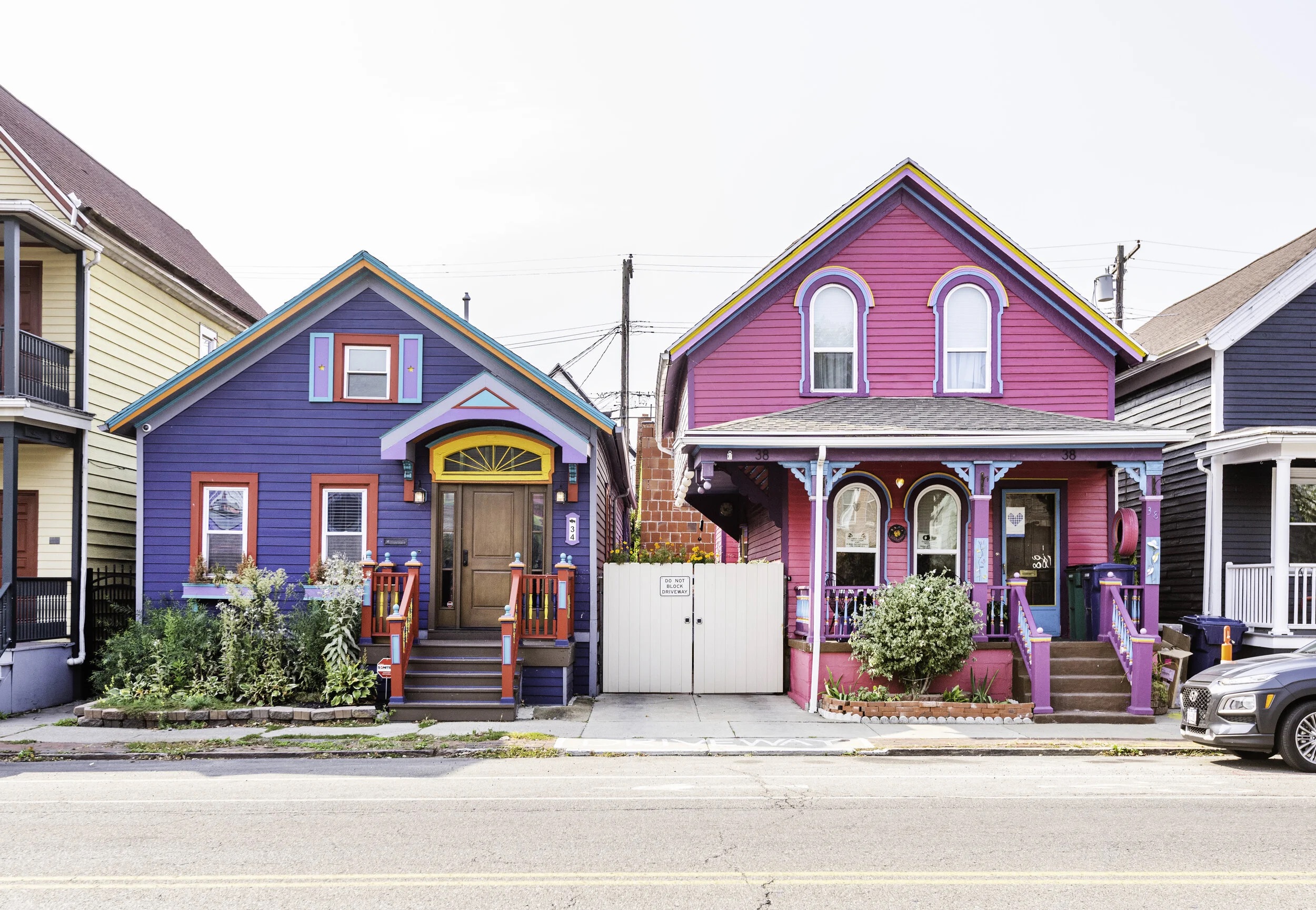
Allentown’s historic housing stock is one of its defining features. Many homes date back to the late 1800s and early 1900s, offering craftsmanship and architectural detail that are difficult to replicate today. Original hardwood floors, solid construction, detailed trim, and unique facades give each property a sense of identity.
While older homes sometimes raise maintenance concerns, buyers in 2026 are generally more informed and realistic. Many Allentown properties have already seen meaningful updates to kitchens, bathrooms, roofs, and mechanical systems while preserving original character. Buyers increasingly view these homes as a balance of charm and practicality.
Lower property taxes are another important factor. Compared to surrounding neighborhoods and suburbs, Allentown often offers more favorable tax structures. As buyers focus more on total monthly costs rather than just purchase price, this advantage carries real weight.
From a value standpoint, Allentown’s limited room for large-scale redevelopment helps preserve stability. The neighborhood is largely built out, which reassures buyers that its character and density are unlikely to change dramatically. That predictability supports long-term value and buyer confidence.
Walkability, Restaurants, and Local Culture
Walkability is no longer a bonus feature for buyers in 2026. It’s a priority. This is where Allentown continues to stand out.
Daily life in Allentown doesn’t require constant driving. Residents can walk to coffee shops, restaurants, bars, and local businesses, creating a neighborhood that feels active and connected. That convenience becomes especially meaningful once buyers experience it in person.
The local food and drink scene plays a big role in Allentown’s appeal. Longstanding favorites like Allen Burger Venture and Gabriel’s Gate anchor the area with recognizable character. Coffee spots such as Caffe Aroma contribute to the neighborhood’s everyday rhythm, while new restaurants and bars continue to add energy without changing the core feel.
These businesses aren’t just destinations. They’re part of residents’ routines. Buyers consistently respond to that sense of community and liveliness. The neighborhood feels social without being chaotic and vibrant without feeling transient.
For buyers relocating from larger cities, this lifestyle feels familiar. For local buyers, it feels convenient and refreshing. Either way, walkability becomes a deciding factor once they spend time in the area.
Central Location Between Downtown Buffalo and Elmwood Village
Location remains one of the strongest drivers of demand, and Allentown’s positioning is hard to match.
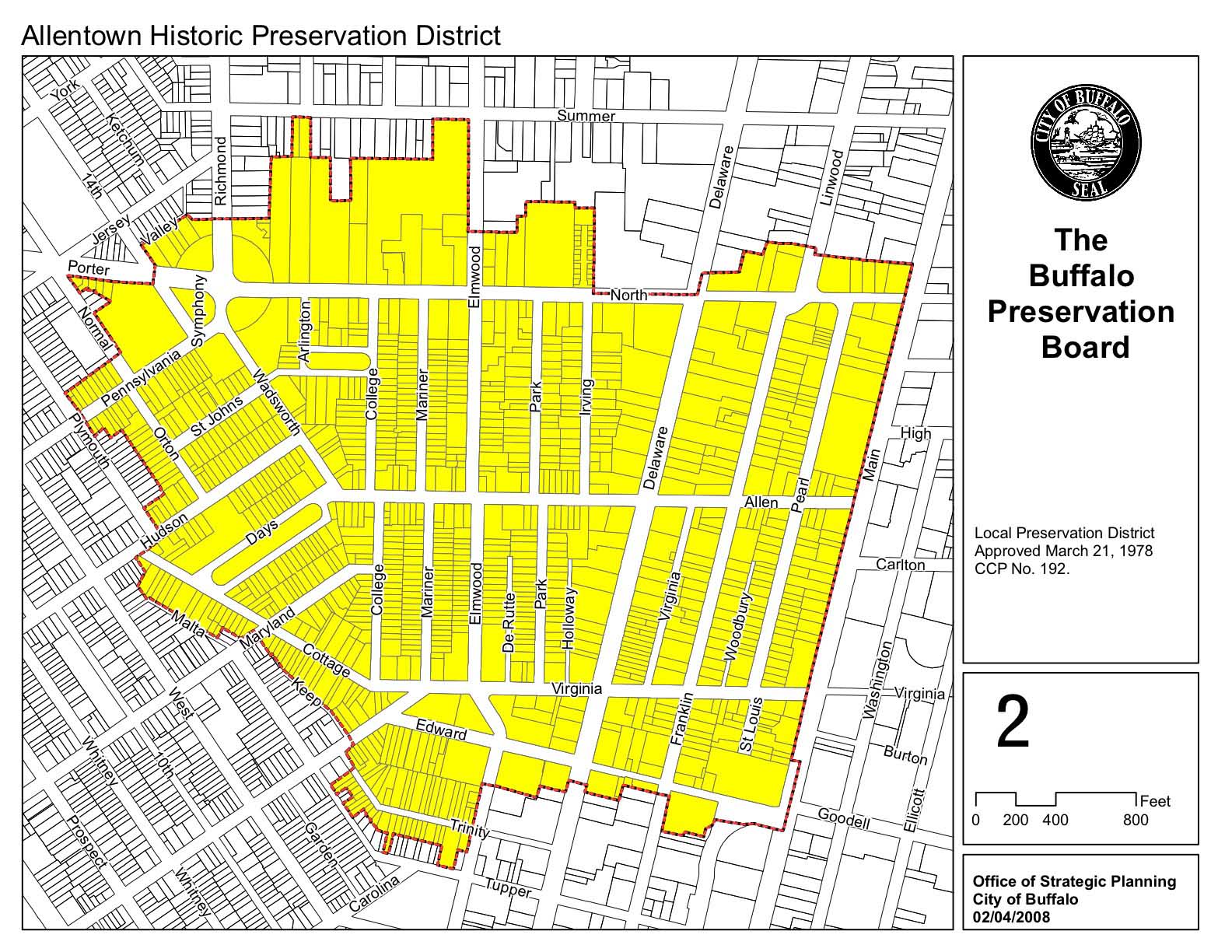
Situated between downtown Buffalo and Elmwood Village, Allentown provides access to two of the city’s most important anchors. Downtown offices, entertainment venues, and medical facilities are minutes away, while Elmwood’s shops, galleries, and restaurants are easily accessible.
This dual access allows buyers to enjoy the benefits of both areas without fully committing to one. Many buyers compare Allentown directly to Elmwood Village and ultimately choose it for its residential feel, housing variety, and often more manageable tax burden.
Allentown also connects easily to green space at Delaware Park, cultural destinations like Shea's Performing Arts Center, and major employers tied to the Buffalo Niagara Medical Campus. This connectivity strengthens its appeal across a wide range of buyers.
When buyers map out commute times, amenities, and lifestyle options, Allentown consistently rises to the top.
Why Allentown Remains Resilient in Changing Markets
Allentown’s continued popularity in 2026 is rooted in fundamentals that hold up even as markets shift.
When affordability tightens, buyers gravitate toward centrally located neighborhoods that reduce commute times and daily expenses. When buyers become more selective, they prioritize areas with proven demand and long-term stability. Allentown checks both boxes.
The neighborhood is not dependent on a single employer, trend, or development cycle. Its appeal comes from a combination of location, character, lifestyle, and infrastructure working together. That diversity of demand helps keep buyer interest steady over time.
Limited overdevelopment further supports resilience. Allentown has maintained its scale and identity, giving buyers confidence that the neighborhood they’re buying into today will remain recognizable in the future.
In a market where buyers are thinking beyond the transaction and focusing more on livability, Allentown continues to align with modern priorities.
Frequently Asked Questions
Is Allentown a good neighborhood for first-time buyers in 2026?
Yes. While competition exists, Allentown offers condos, smaller homes, and multi-unit properties that can be more attainable than nearby neighborhoods with similar walkability and location benefits.
How does Allentown compare to Elmwood Village for buyers?
Both neighborhoods offer walkability and culture. Buyers often choose Allentown for its proximity to downtown, residential feel, housing mix, and often lower taxes, while still being close to Elmwood’s amenities.
Are historic homes in Allentown difficult to maintain?
Condition varies by property, but many homes have already been updated. Buyers who complete proper inspections and understand the balance between charm and maintenance are typically comfortable with historic ownership.
Is parking a concern in Allentown?
Parking can be a consideration on certain streets, but many residents drive less due to walkability. Some properties offer off-street parking, which can be an important factor for some buyers.
Will Allentown continue to attract buyers long term?
All signs point to yes. Its central location, limited development, access to major employers, and strong neighborhood identity position Allentown for sustained demand well beyond 2026.
Check out this article next